Blown Fuse: What It Means and What to Do
A blown fuse is the board doing its job, cutting a circuit before something worse happens. The question is why it blew, and whether it's likely to happen again.
Call (02) 9134 9024 if it keeps recurring, and we'll get to the actual cause.
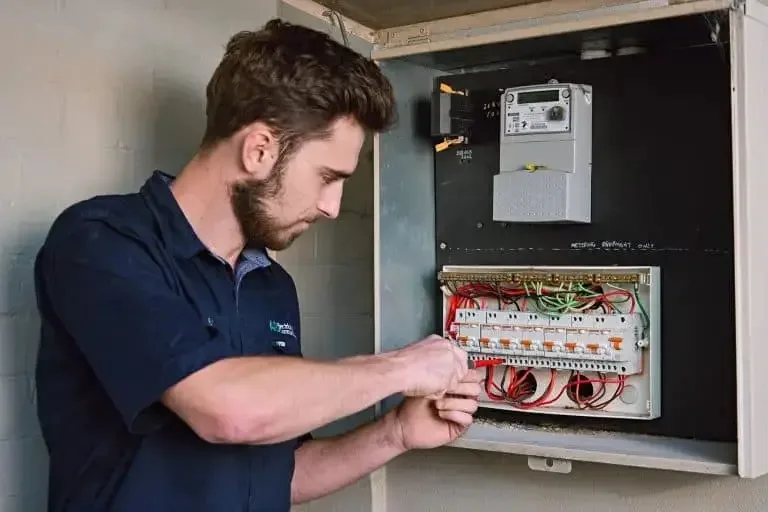
What a Blown Fuse Actually Means
A fuse is a deliberately weak link in the circuit. When current draw goes above what the fuse wire can handle, the wire melts and breaks the circuit before the wiring itself overheats.
That's the fuse working exactly as designed. A single blown fuse on an otherwise normal night usually just means a circuit briefly carried more than it should have.
Repeated blowing on the same circuit is a different story. That points to an ongoing fault or a circuit that's simply too small for what's plugged into it.
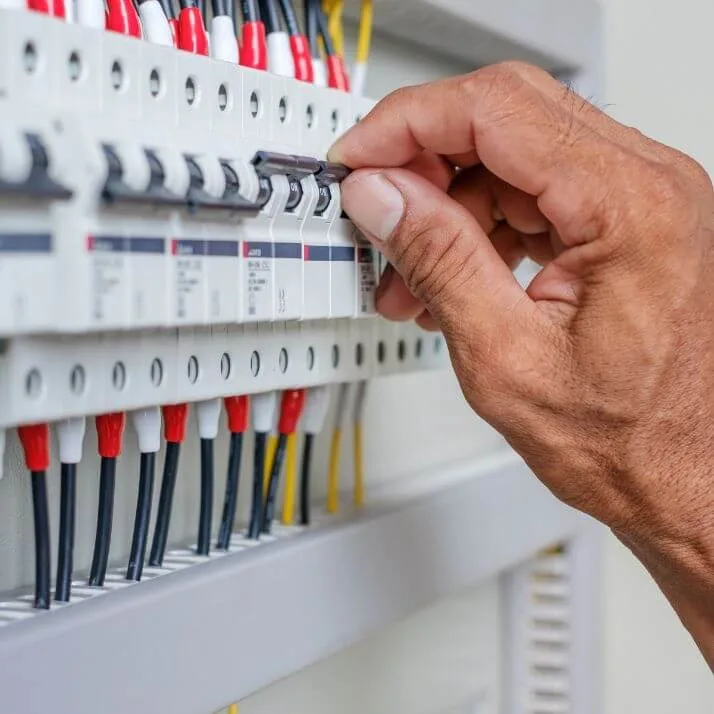
Common Causes of a Blown Fuse
Most blown fuses trace back to one of these.
- Too many appliances on one circuit, especially in older homes built with fewer circuits
- A fuse wire that's too thin for the load it's meant to protect, sometimes from a previous poor repair
- A short circuit somewhere in the wiring, drawing far more current than normal
- A faulty appliance, drawing current it shouldn't the moment it's switched on
- Age and wear in old fuse carriers, where the connection itself degrades over the years
- Moisture getting into a fitting or the board, creating an unintended path for current
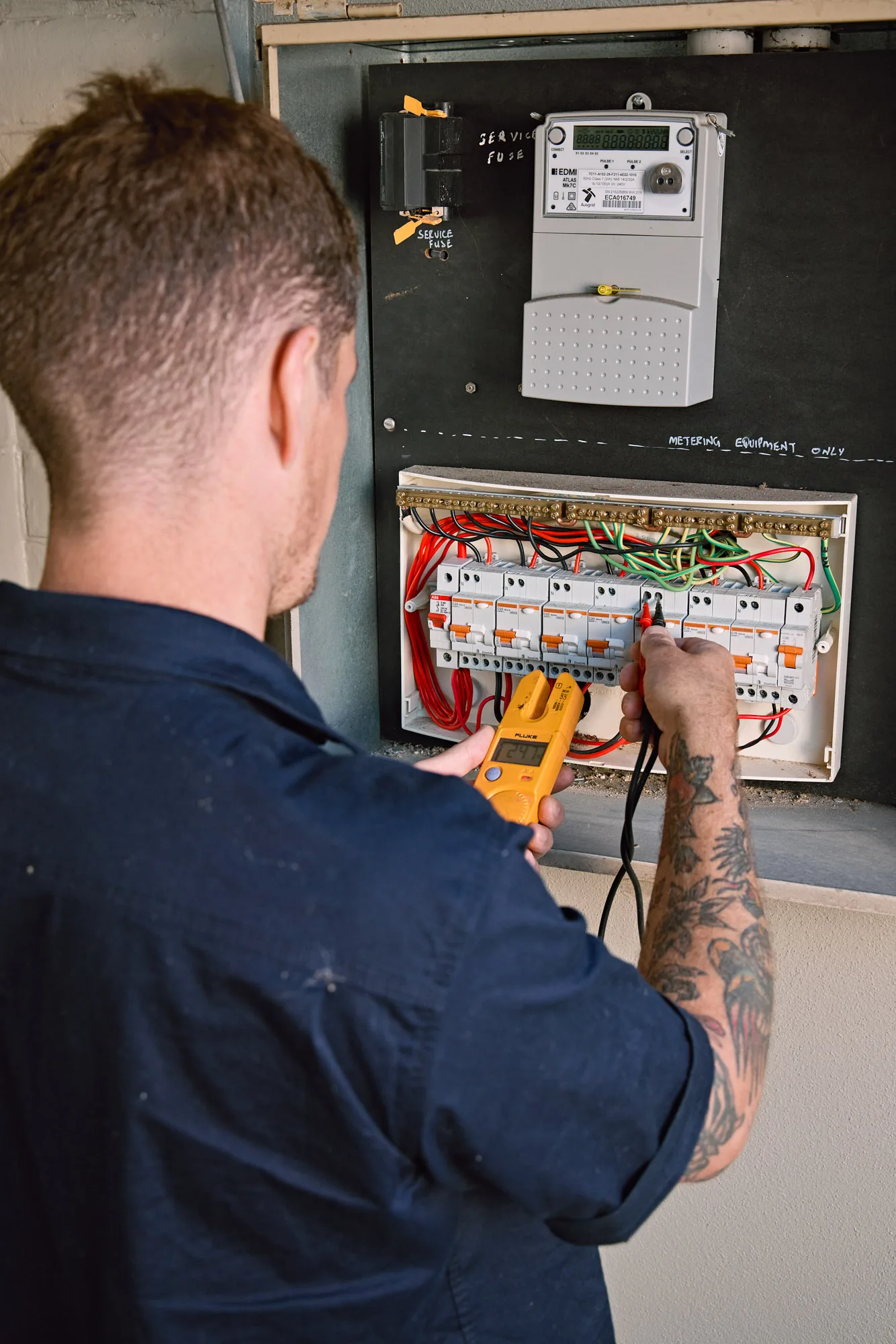
How Serious Is It?
A single blown fuse, once, with no smell and no heat, is usually low urgency. Replace it and move on, provided a licensed electrician confirms the cause if it happens again.
Going twice in the same evening is the signal to stop reaching for a spare fuse and start asking why.
Any burning smell, scorch marks around the fuse carrier, or a board that feels warm changes this from routine to urgent. Those are signs of heat building where it shouldn't, and heat is the precursor to fire.
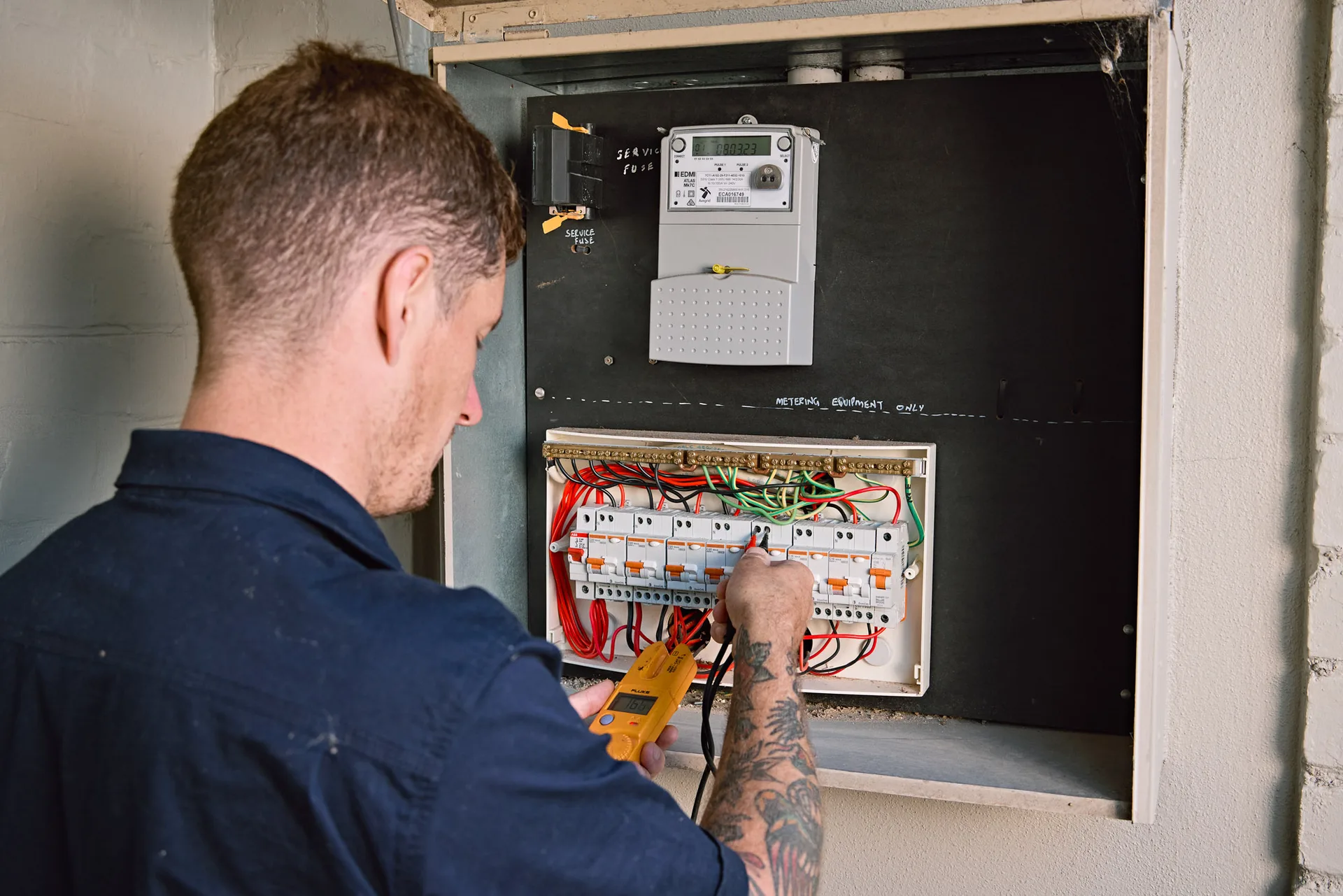
Three Safe Steps To Take Now
- Unplug what was running when it blew. That circuit is now dead, and removing the load prevents an immediate repeat.
- Leave the fuse alone if you're not confident. The wrong wire gauge overheats where the old one wouldn't, and it makes the real fault harder for us to trace later.
- Note what tripped and when. Which appliance, what time, how often, gives us a real head start once we arrive.
How We Fix and Certify the Repair
We isolate the affected circuit and test to find why the fuse blew, rather than fitting a new one and hoping it was a one-off.
Where the fuse carrier itself is worn or wired with the wrong gauge, it gets corrected to AS/NZS 3000. On notifiable work we lodge a Certificate of Compliance with NSW Fair Trading, so there's a paper record the fault was properly resolved.
Where the whole panel still runs original ceramic fuses with no spare capacity, we'll talk through what a modern breaker upgrade looks like rather than just patching one circuit at a time.
Why Balmain's Housing Makes This Common
Darling Street's older civic buildings, like Balmain Town Hall, sit among terraces built in the same pre-war era, many still wired to a switchboard sized for a very different household.
A ceramic fuse rated decades ago for basic lighting and a single power circuit has little headroom for a kitchen full of modern appliances. Add a few extra loads and the same fuse blows on a fairly ordinary evening.
It's less a fault with any one appliance and more a board that was never built for what a modern home now asks of it.
How to Stop It Happening Again
Preventing repeat blown fuses usually means addressing the board, not just the fuse.
- Upgrading old ceramic fuse carriers to modern circuit breakers that trip and reset safely
- Splitting appliance load onto separate circuits instead of one overworked one
- Adding an RCD safety switch if the board is currently running without one
- Having a licensed electrician check fuse ratings match what each circuit is meant to carry
- A periodic switchboard check, catching wear before it forces a late-night fix
Related Faults and Surrounding Areas
A blown fuse often turns up alongside a switch on the same board that won't stay reset, a panel that hums or clicks, or an outlet feeding more than it should safely carry. Where the whole panel is past its use-by date, switchboard upgrades covers what replacing it involves.
Balmain sits alongside Rozelle, Lilyfield and Leichhardt on our usual patch through the Inner West.

Call Now About Your Blown Fuse
Fuse gone again, or unsure why it blew the first time? Call (02) 9134 9024, often same or next day, and we'll track down what's really going on.
Common questions
Blown Fuse FAQs
Honest answers on blown fuses, explained simply.
Is a blown fuse an emergency?
Usually not, provided nothing else is happening. A fuse that blows repeatedly within minutes, or one paired with heat or smell, changes that.
Why does my fuse only blow at night or when appliances run?
Peak demand happens when more is switched on at once, so a circuit already close to its limit is more likely to fail under that extra load.
Does insurance care about a fuse that wasn't repaired properly?
It can. A non-compliant repair may complicate a claim later, which is one reason a licensed electrician issues a certificate for notifiable work.
How do you find which circuit blew the fuse?
We test at the board to isolate the affected circuit, then trace it to the actual fault rather than simply replacing the fuse and hoping it holds.
How fast can you get to Balmain for a blown fuse?
Often same or next day. If it's blown more than once in a short space of time, mention that when you call.
Can I just replace the fuse wire myself?
No. Fitting fuse wire is licensed electrical work here, and getting the gauge wrong is a genuine fire risk.